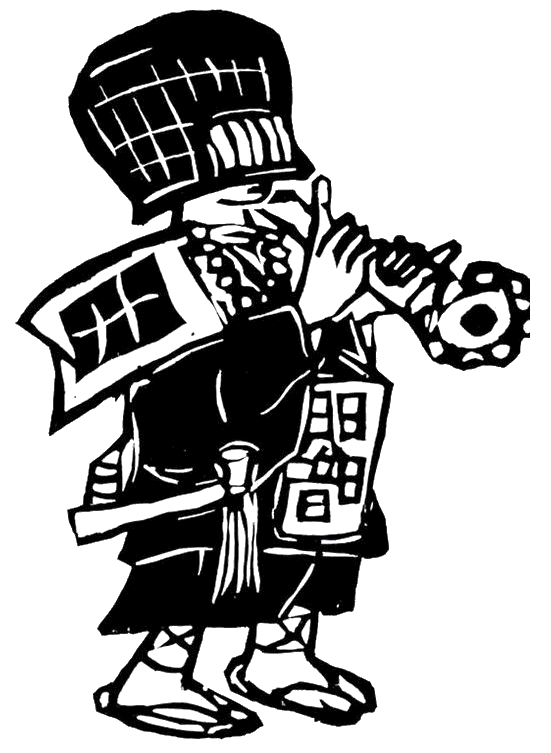
Takahashi Kūzan
高橋 空山

1900 - 1986
Shakuhachi
|
Takahashi Kūzan, called (God of Shakuhachi) during his lifetime, left his imprint on the history of Japanese music. Born in Hokkaido in 1900, he had studied since his youth, Jū-jutsu (bare fisted fight), Kendō (fencing), Naginata and Yari (lances), Shuriken (projectiles), Yumi (archery), etc to become among other things Grand Master of Budō of the school of Yagyū Shin-Kage-ryū as well as other prestigious schools. He travelled through Japan in order to meet the last Grand Masters of the Fuke-shū. It is during this spiritual quest that he met Miyagawa Nyozan, Okazaki Meidō, Katsuura Shōzan, and Kobayashi Shizan as well as others who shared with him the secrets of Fuke Shakuhachi. It is mentioned in the document "The temple Myoan of the Mountain Kyorei" written by Tsukamoto Kido that "Kūzan was transmitted the essence of Shakuhachi from Kobayashi Shizan, Okazaki Meidō, Katsuura Shōzan, and mastered the art of the different schools Kinpū-ryū, Kaidō-ryū, and Nin-ryū. It is also said that he mastered more than 250 pieces of the traditional repertoire. In 1972, he was invited to represent Eastern music for the festival of the culture and arts organized during the Olympic Games of Munich. Where interpreted two traditional pieces, Kokū and Kyorei. Besides his activities as the successor of the important Fuke School, he is known for his technical knowledge of the music and his mastery of different instruments such as Hitoyogiri, Satsuma Biwa and Hichiriki. His book “History of Fuke-shū Shakuhachi”, the fruit of his research and experiments, is one of the rare manuscripts treating the history of the principles of thought and music of the great orthodox school. Information compiled by Jeffrey Jones from http://www.fuke-shakuhachi.com website, courtesy of Ono Ranzan
|
Teachers
Kobayashi Jido Shizan Kobayashi Naō Kōji Toyotarō Miyagawa Nyozan Okazaki Meidô Takase Sukeji Tsushima Koshō Students
Fujiyoshi Etsuzan 1937 - |
Albums
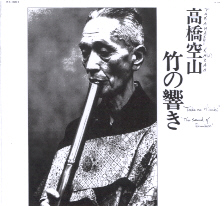 |
Sound of Bamboo, The |
Publications
| Title | Kanji | Publisher | Year | Pages | Language |
|---|---|---|---|---|---|
| Fuke shu shoshi [A Short History of the Fuke Sect] |
Tokyo: Ongaku Kenkyukai | 1971 | |||
| Fukeshu shakuhachi to genryuha |
Nihon Ongaku | 5 | |||
| Fukeshu shi : sono shakuhachi soho no gakuri [History of the Fuke Sect: Principles of Playing Its Shakuhachi] |
Tokyo: Fuke Shushi Kankokai | 1979 | |||
| In yo [Yin Yang] |
Nihon Ongaku | 4 | |||
| Ju wari, kyuhen wari |
Nihon Ongaku | 6-7 |