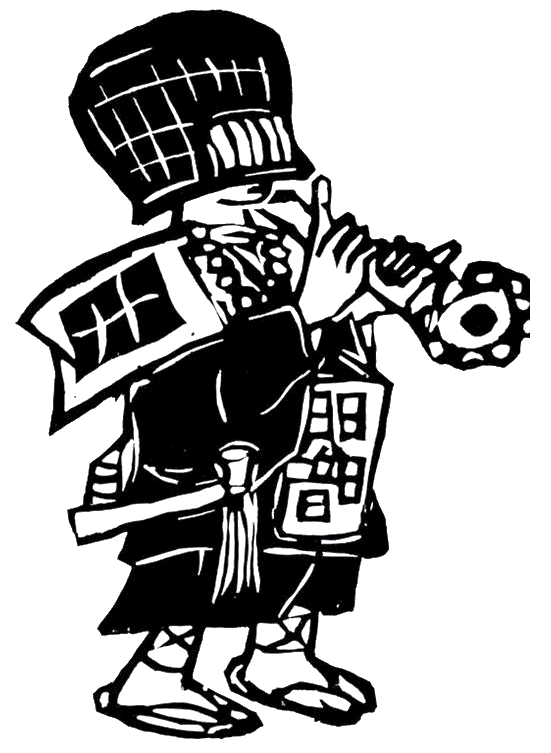
Ono Mamoru
小野 衛
Composer - Сякухати
|
Born in Kitakyushu City, Fukuoka Prefecture. While at university in Tokyo, he studied shakuhachi with Shimamura Kyozan and koto and shamisen with Miyagi Michio, and from 1937, he performed with Miyagi Michio as part of the shakuhachi section; after graduating from Tokyo University in1938, he married Miyagi Michio's adopted daughter, Yoshiko, and became his adopted son-in-law, changing his name to Miyagi Mamoru. He also studied composition under Moroi Saburō, and in 1947 formed the Shinseikai with Moroi's students Shibata Nao, Irino Yoshiro, Dan Ikuma, and others, publishing such works as "Genraku Trio" and "Quintet". From 1936 until Michio Miyagi's death in 1956, he was a dedicated collaborator of Miyagi Michio, translating the braille scores composed by the blind Miyagi into staff notation, etc. He became the headmaster of the Miyagi school of koto music. He is the founder and first president of Soumei Ono Ongaku Kai. He has been active as a composer, performer, and conductor of koto, shakuhachi, and sangen, and his vigorous creative activities have made him a leader of contemporary Japanese music. He has published many works that incorporate the techniques and styles of Western classical music with koto, shakuhachi, and shamisen as the core instruments, and his representative works include "Sonata for Koto Duet". He also served as president of the Japan Federation of Contemporary Japanese Music Composers.
|
| Также известный, как 宮城衛 (Miyagi Mamoru); 猷山 衛 (Yūzan Mamoru) |
|
Учителя Ученики
Kumamaru Shizuka 1927 - Suzuki Masako 1943 - Tanaka Fumisei 1936 -
|
Альбомы
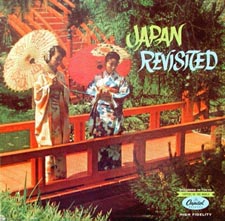 |
Japan Revisited Various styles of Japanese instrumental music showcasing shakuhachi, koto, samisen, and taiko. |